 Home
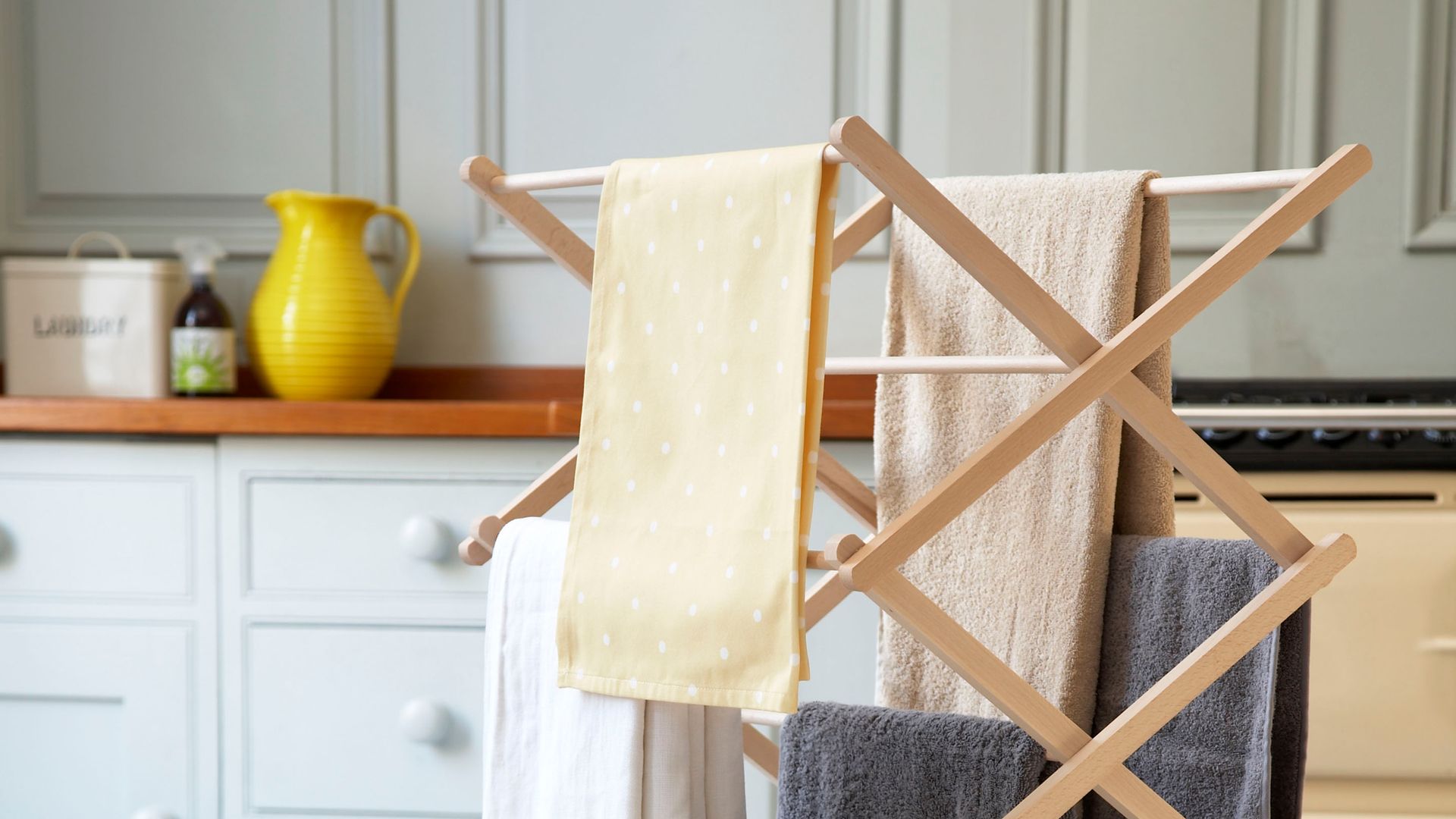
The cold and wet days are now upon us, which means that drying washing outdoors is no longer an option. And unless you're lucky enough to have a tumble dryer (or can afford to pay to run one), chances are your clothes airer is getting some serious usage.
The washing basket is never empty in my house, and I've tried about every method going to get clothes dry quickly without creating a damp, humid environment. Investing in one of the best dehumidifiers or best heated clothes airers can make a huge difference, but there are a few simple habits worth adopting too if you want to avoid damp and mould this winter.
After all, the moisture from wet washing has to go somewhere and without proper ventilation or moisture removal, you might be contributing to more condensation indoors. So, here are the five things laundry experts recommend doing when drying laundry indoors.
1. Always do an extra spin cycle
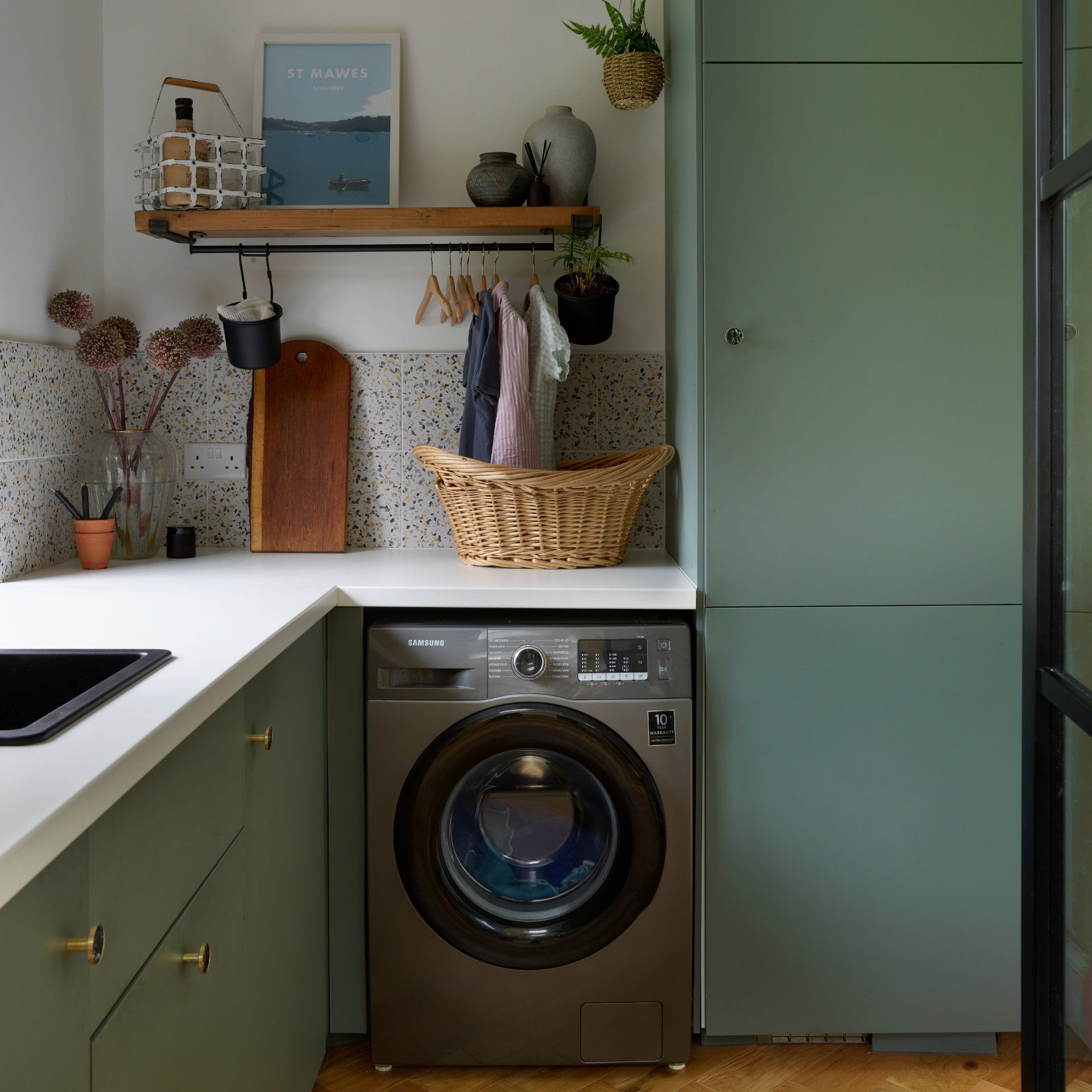
This is something my mum-in-law swears by when drying washing in the colder months. Before hanging your washing up, it's worth putting it through an extra spin cycle. The less water your clothes contain when they come out of the washing machine, the quicker they'll dry and the less moisture they'll release into your home.
It's particularly useful for heavier items such as towels, jeans and bedding, which can hold on to a surprising amount of water. Just make sure the spin speed is suitable.
2. Always leave space between clothes
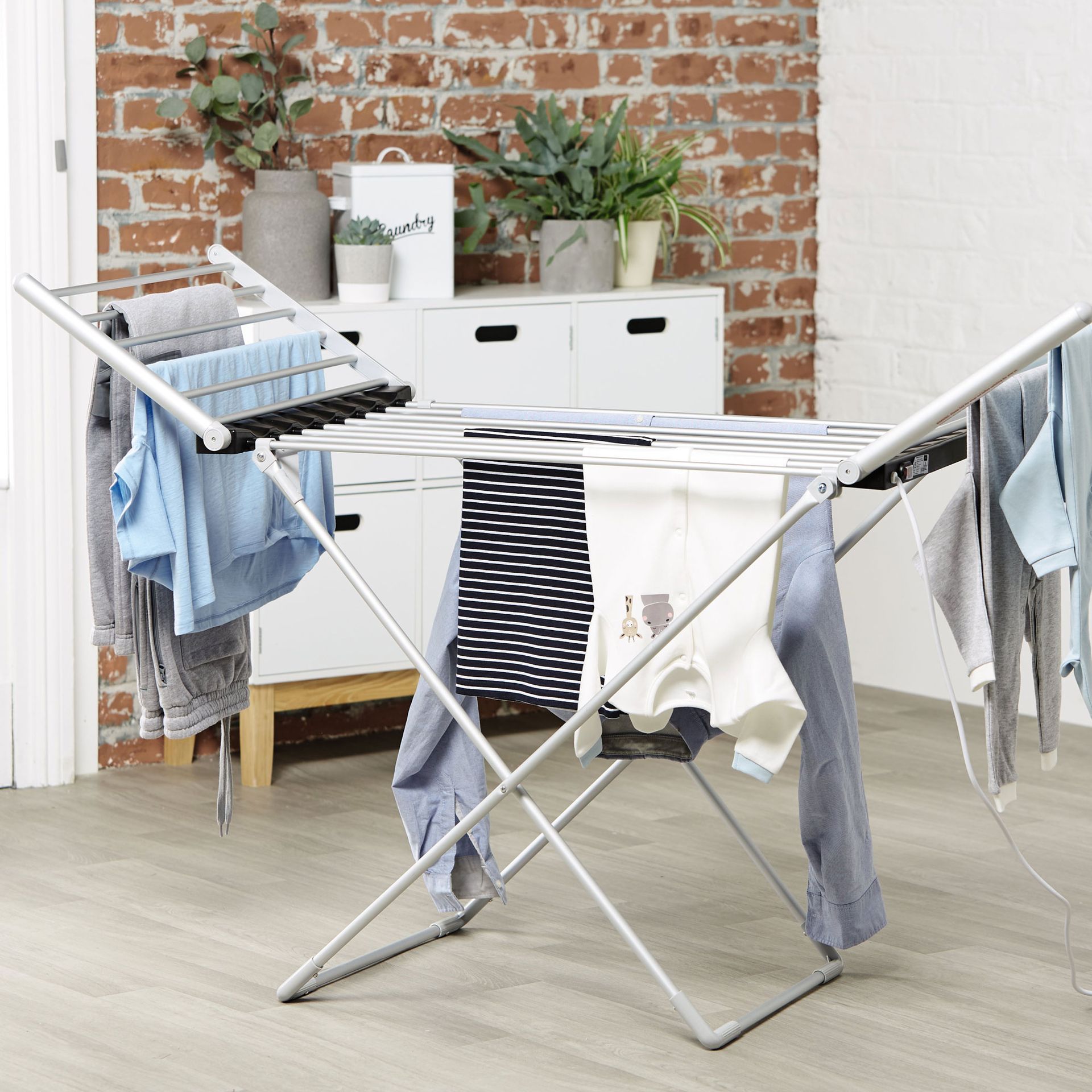
It can be tempting to cram as much washing as possible onto your clothes airer, especially when you've got several loads waiting.
However, this is one of the biggest mistakes you can make. 'One of the simplest ways to speed things up is to avoid overcrowding your drying rack. Leaving space between garments allows air to circulate, helping clothes dry more evenly,' explains Lauren Roelofs, laundry expert at Brabantia.
Make sure sleeves are spread out, shirts are opened up, and trouser legs aren't folded over each other. For heavier items, like towels and jeans, Lauren also recommends turning them halfway through drying to prevent damp patches.
3. Use a heated clothes airer
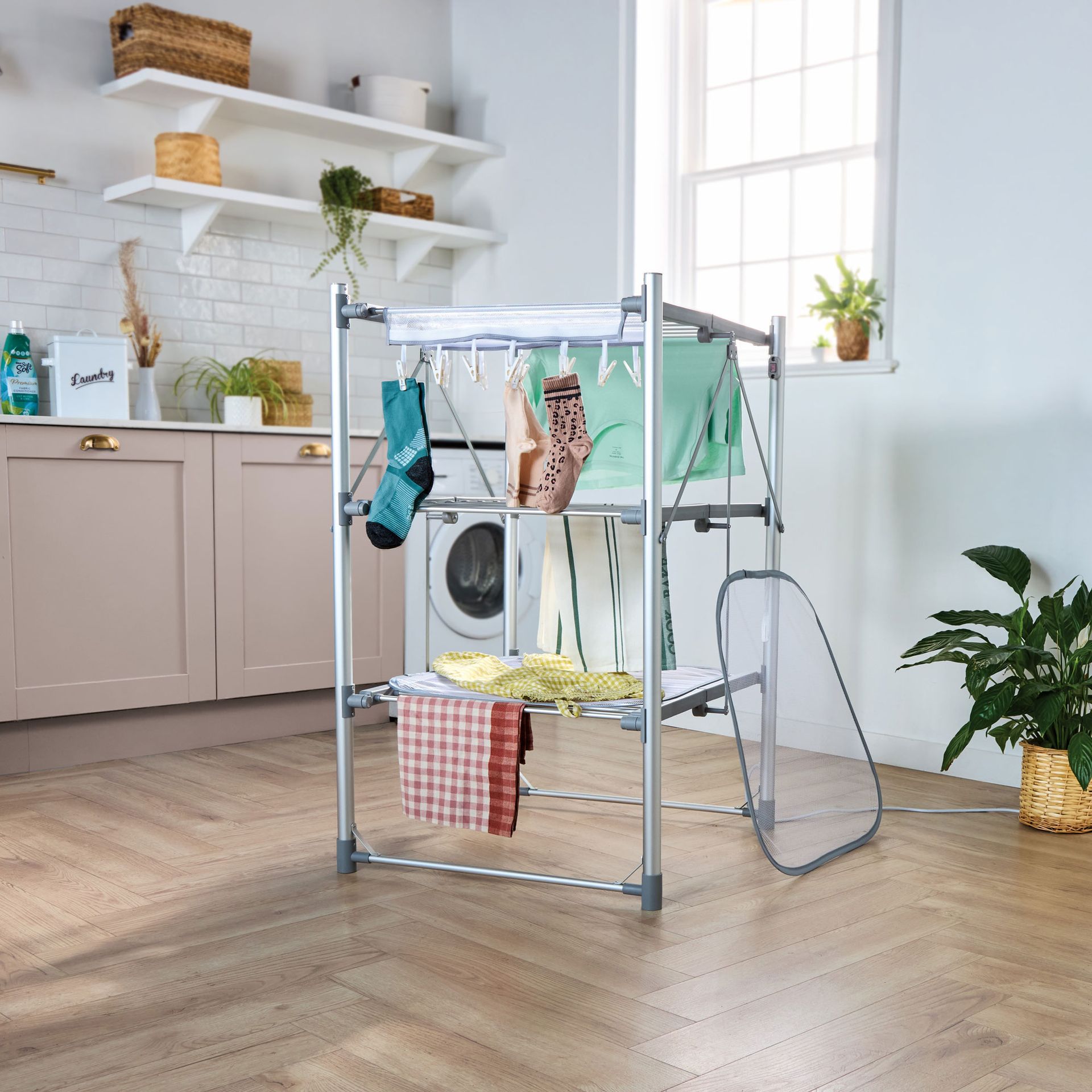
if you're regularly drying washing indoors, I think a heated clothes airer is one of the most useful laundry investments you can make.
'A heated clothes airer is a practical way to dry laundry when outdoor drying isn't possible. Lakeland's DrySoon Deluxe 3-tier clothes airer can accommodate a whole load and is designed to be gentle on everyday clothing,' says Catrin Parry, buying lead at Lakeland.
However, I'd also recommend investing in a cover, like Lakeland's compatible cover. Not only does it help trap the warm air around your washing, but Catrin says it can reduce drying times by a couple of hours, depending on the load and conditions.
Shop our favourite heated clothes airers
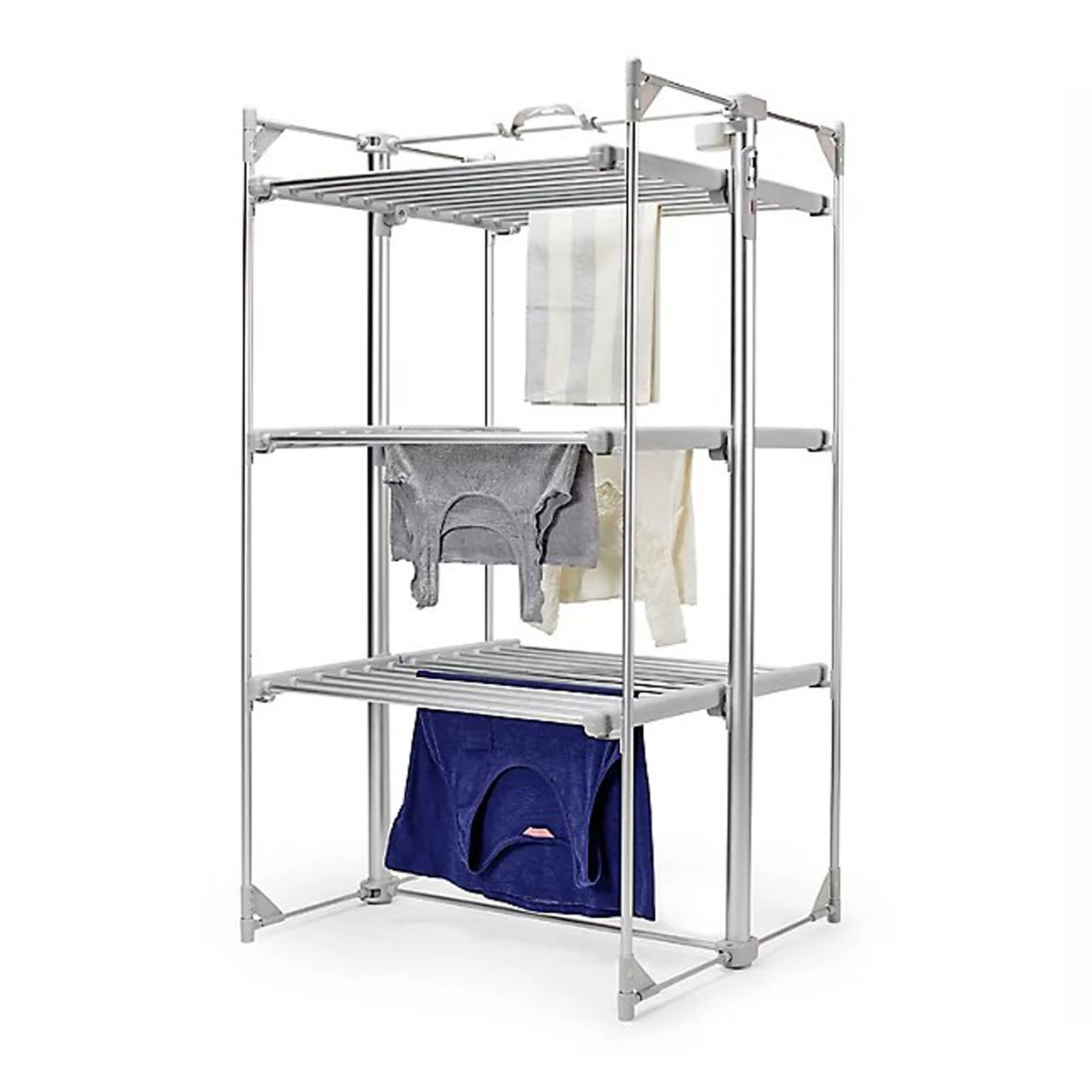
The Dry:Soon's Deluxe 3-Tier Heated Airer is our best overall pick thanks to its 21 metres of drying space and three-tier design, which can hold up to 15kg of washing, which is enough for two laundry loads.
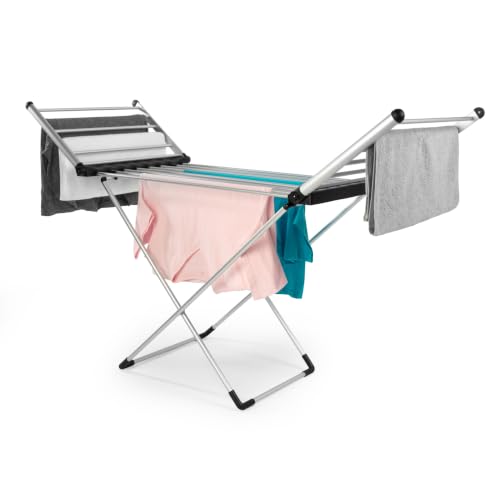
Beldray's winged heated airer is a great budget buy. With 18 aluminium bars and a quick 230w heat up, it can hold up to 15kg of clothes and has a long 1.4m power cord so you can place it wherever you need it to go.
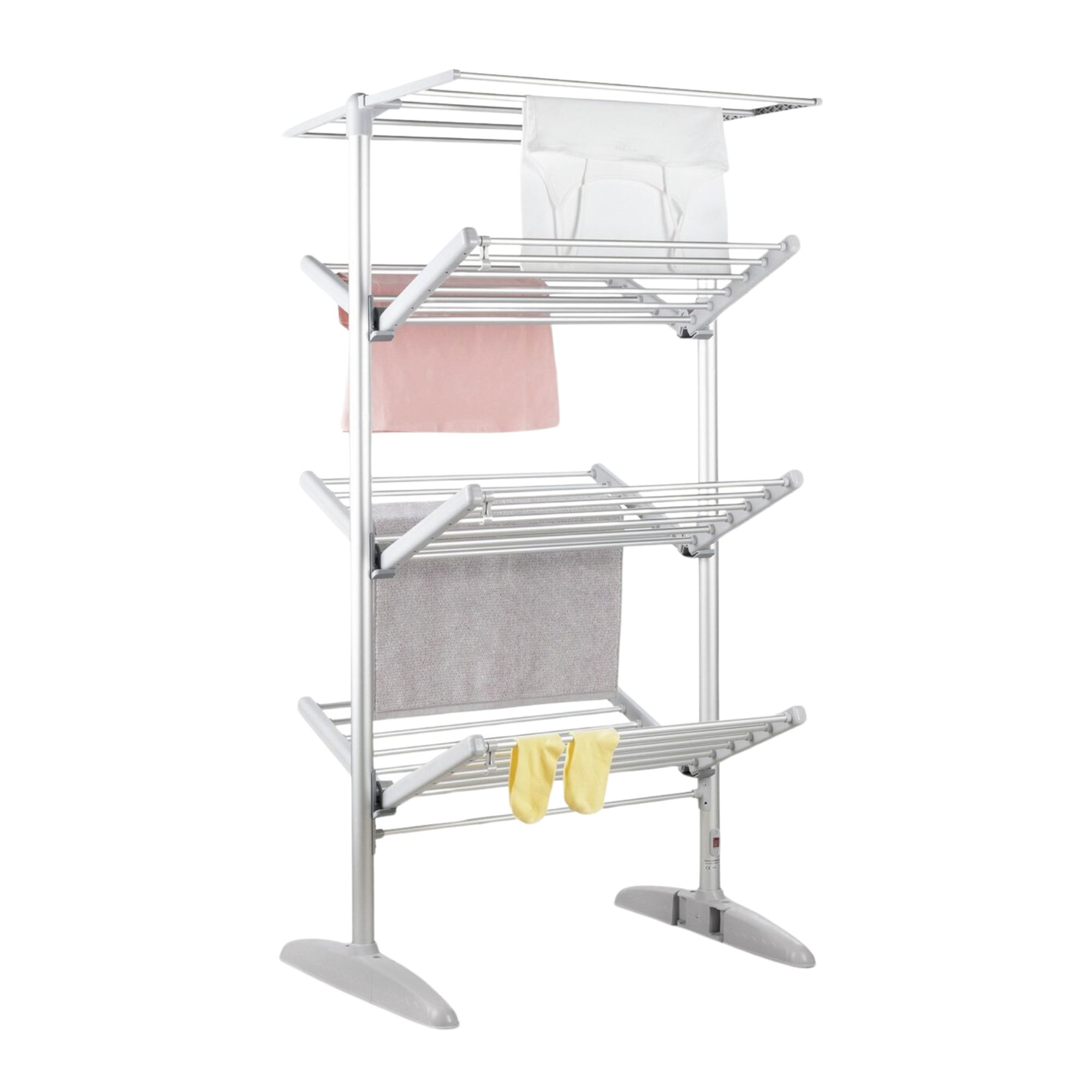
This heated airer has the largest capacity of all the airers we've tested, holding 20kg of washing on 23m of drying rack space compared to the Dry:Soon 3-Tier's 15kg and 21m.
4. Pair your clothes airer with a dehumidifier
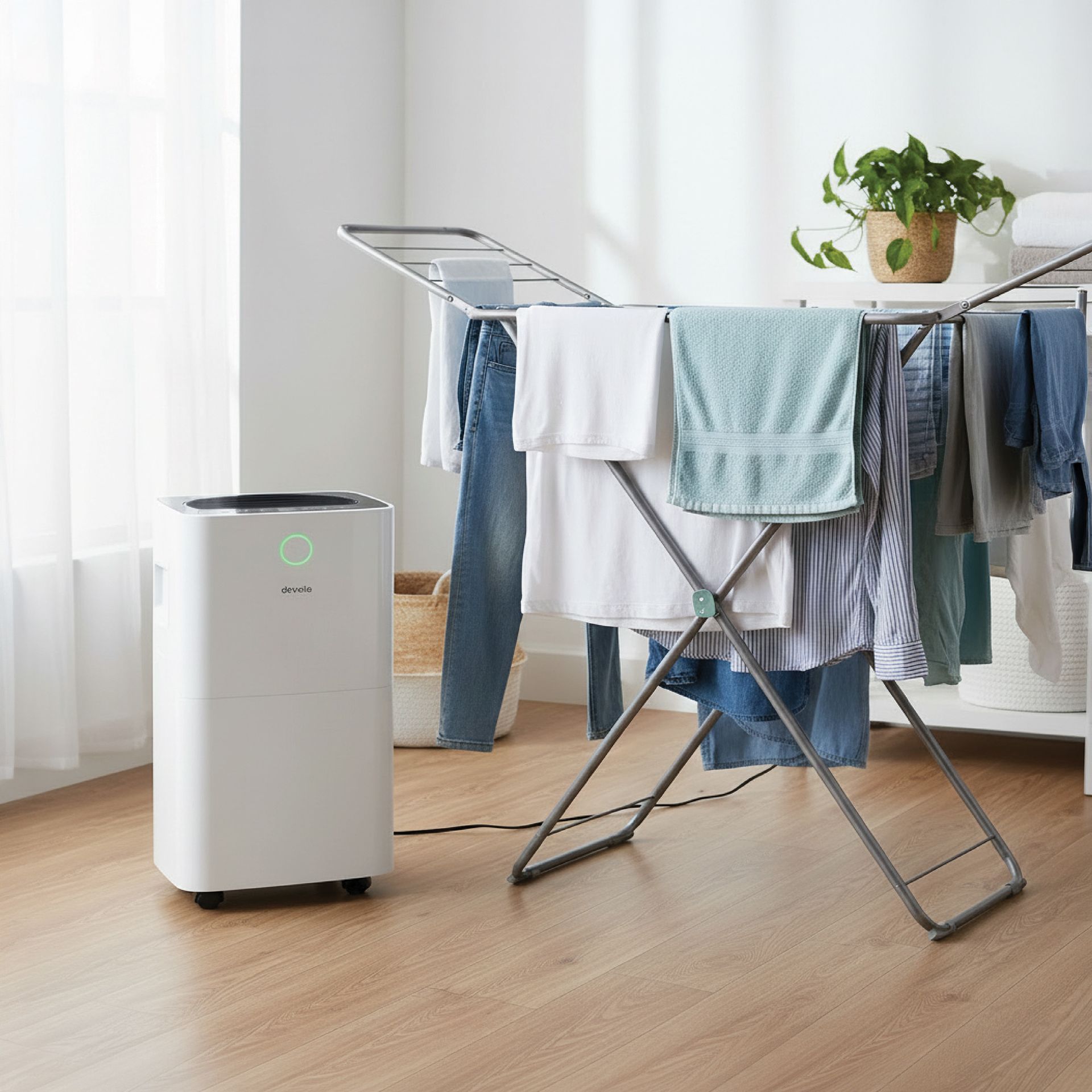
If there's one thing I'd recommend when drying laundry inside, it's using a dehumidifier alongside your clothes airer.
While a heated airer helps dry your clothes, it doesn't remove the moisture being released into the room. That's where a dehumidifier comes in.
'Pairing your airer with a dehumidifier helps remove excess moisture from the air. This is particularly useful in older homes, where condensation can be more of a concern,' explains Catrin.
I use this combo all the time and find it makes a noticeable difference to how quickly my washing dries. Just position your dehumidifiers where air can circulate freely, rather than squeezing it into a corner.
Shop our top-rated dehumidifiers
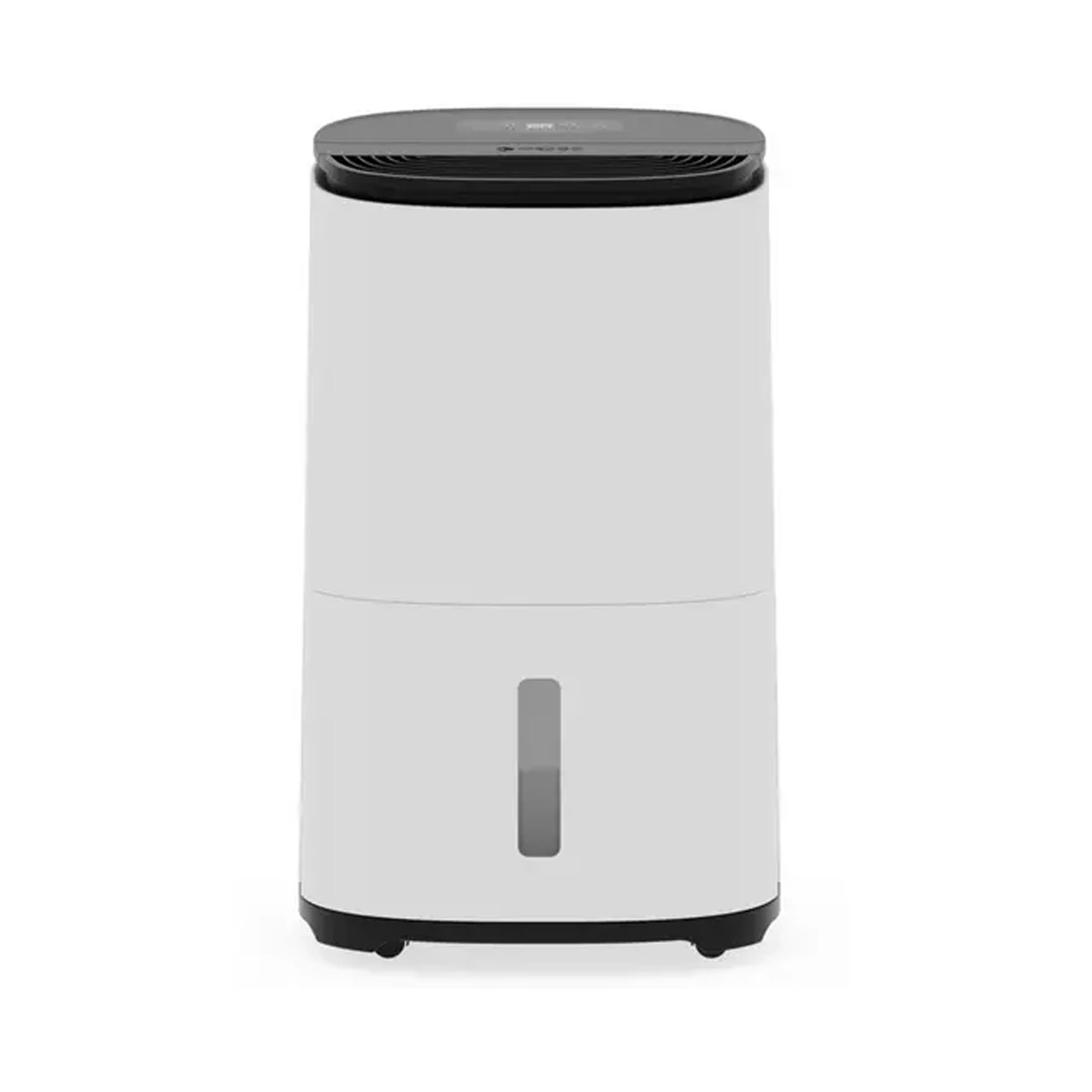
The best dehumidifier we've tested, the MeacoDry Arete One is quiet, easy to use, works superbly and is very energy-efficient.
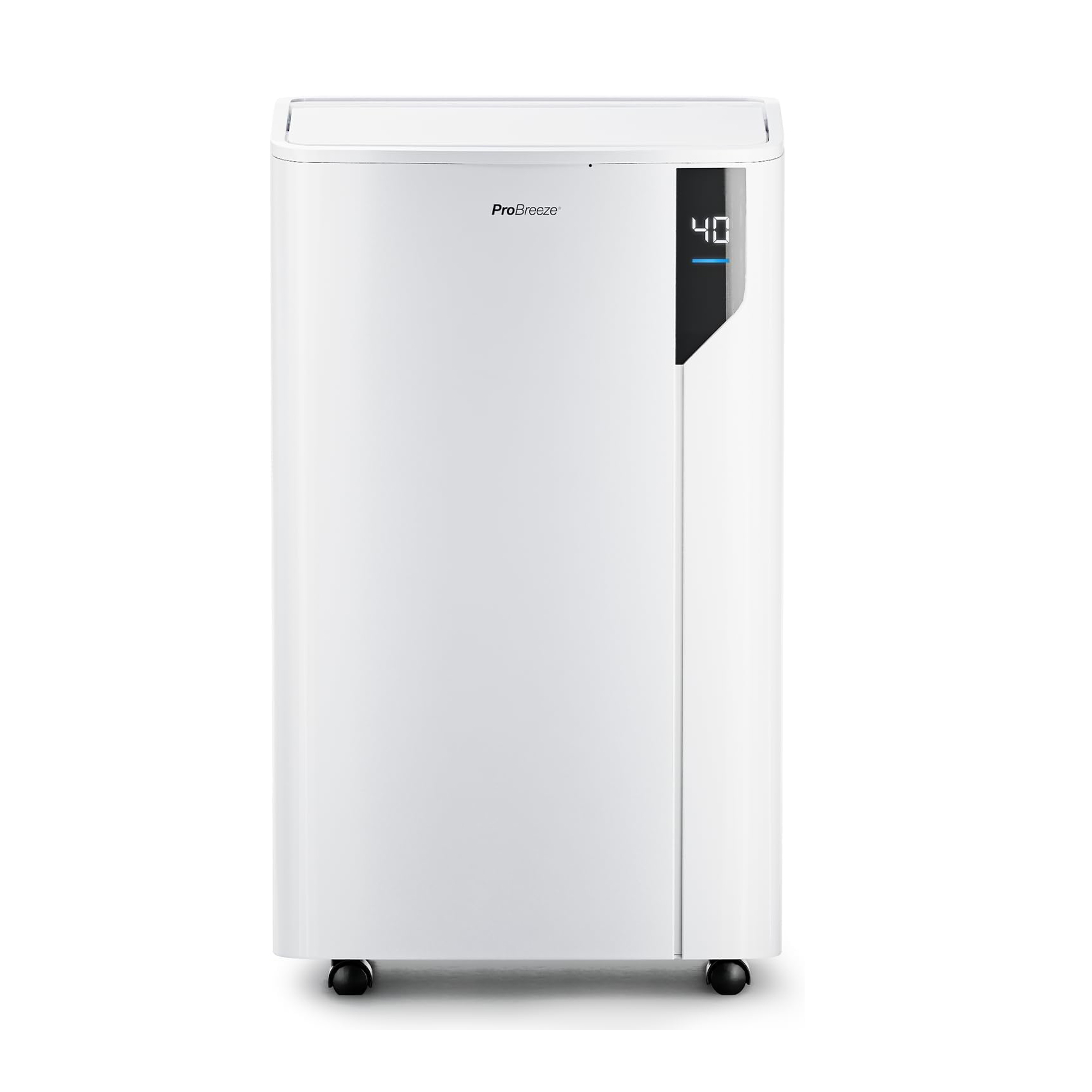
Pro Breeze's 20L Premium Dehumidifier with Special Laundry Mode is the best dehumidifier for drying clothes that we've tested.
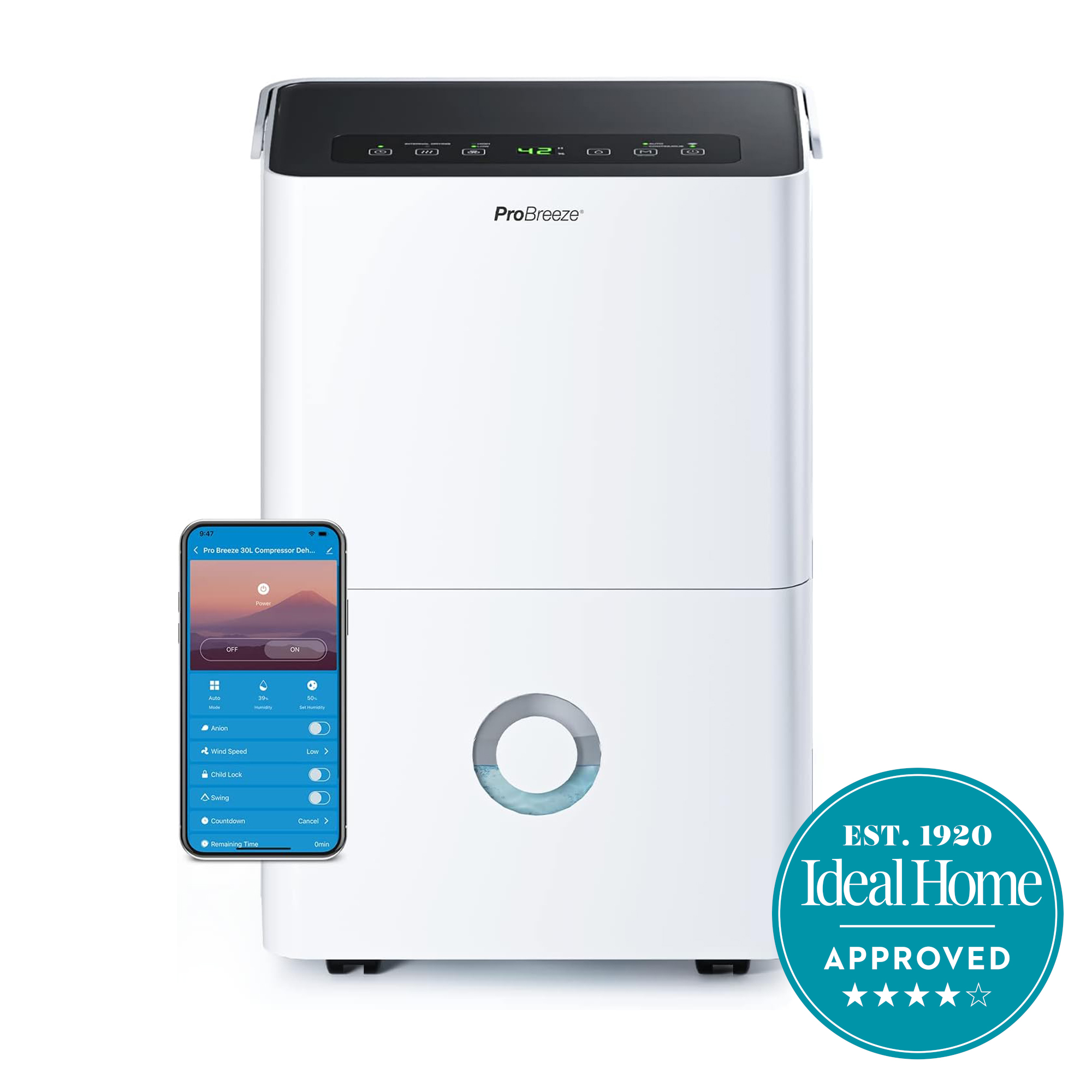
This dehumidifier can extract up to 30L of moisture from the air per day, giving it one of the highest extraction rates on the market.
5. Choose the right spot for your airer
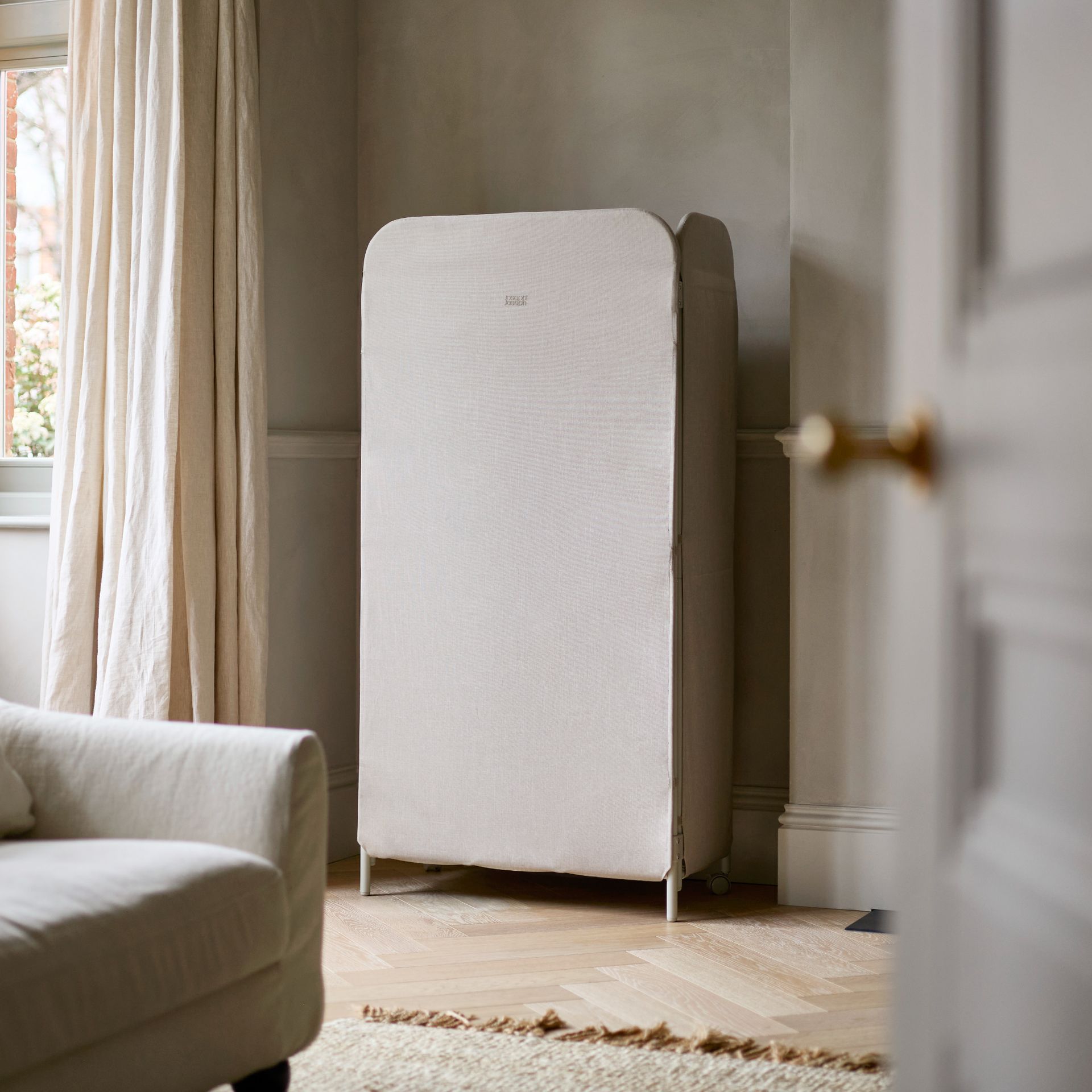
Where you position your clothes airer can make a surprising difference to drying times. Catring recommends keeping your airer slightly away from walls to encourage airflow, rather than pushing it right up against them.
If you're short on space, choosing an airer that makes the most of vertical space can also help.
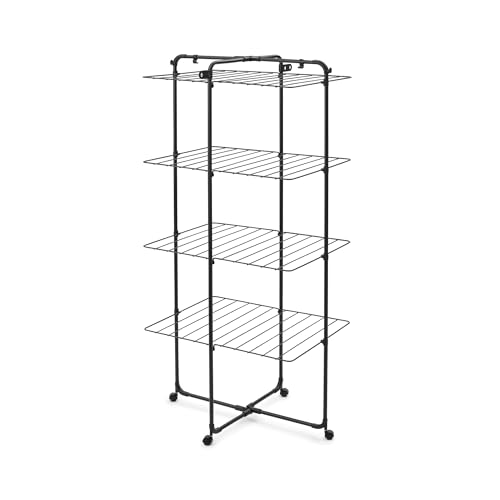
'Brabantia's 4-tier clothes airer (available at Argos) is another clever space-saving solution, offering generous drying capacity while taking up minimal floor space,' explains Lauren.
6. Always ventilate the room
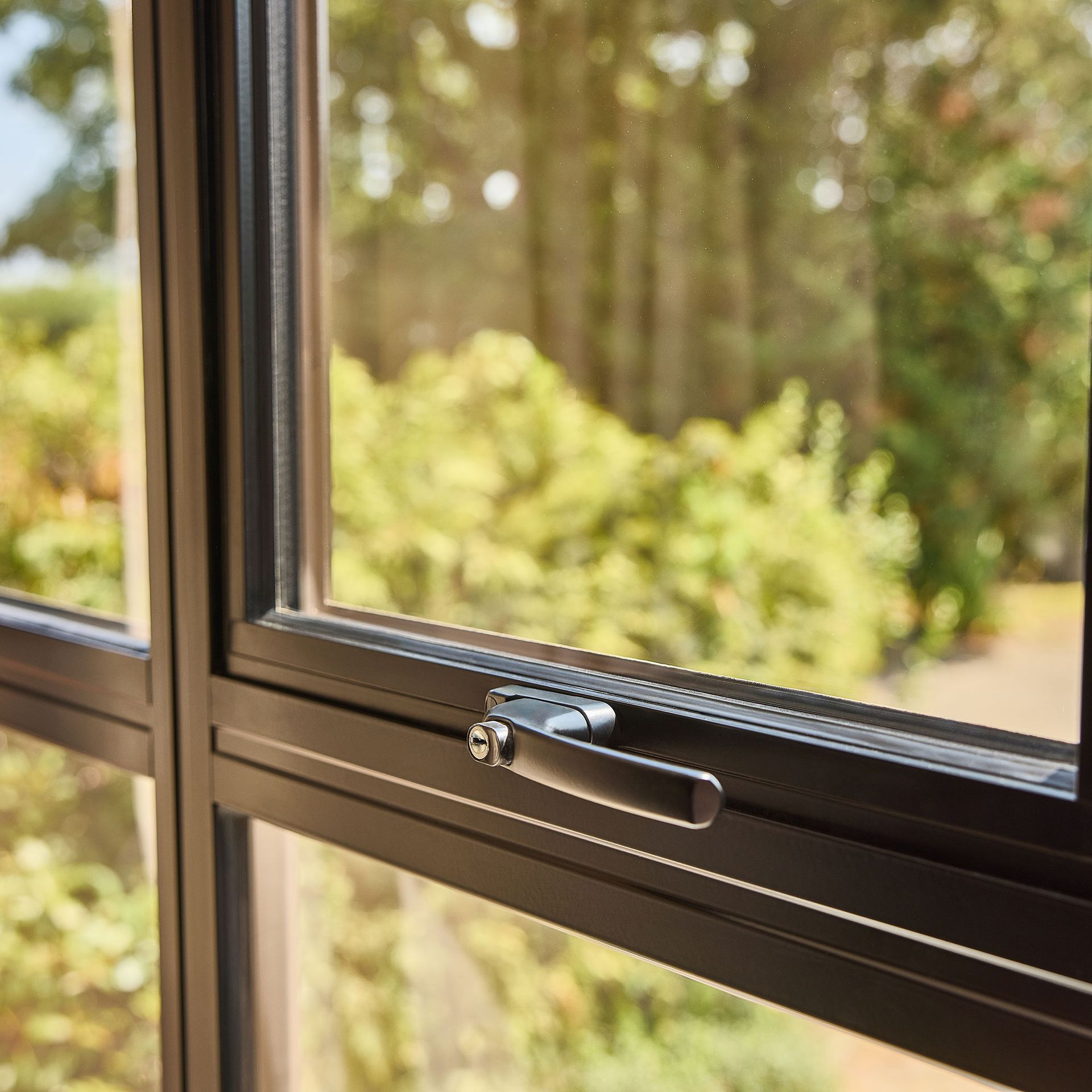
It might seem counterproductive to open a window when you're trying to keep your home warm, but ventilation is essential when drying laundry indoors.
'Even in winter, open windows periodically to let excess moisture escape. Drying clothes, cooking and showering all add moisture to the air, so good ventilation is essential,' explains Catrin.
Ideally, you should also choose one well-ventilated room for drying laundry, rather than spreading clothes airers throughout the house. A utility room is perfect if you have one.
Drying washing in winter is best done when there's enough space around your clothes, making sure the moisture they release doesn't linger in your home.
A little extra airflow, the right equipment and a few small tweaks can make the whole process so much easier.